Understanding Dynamic Microphone and Its Applications
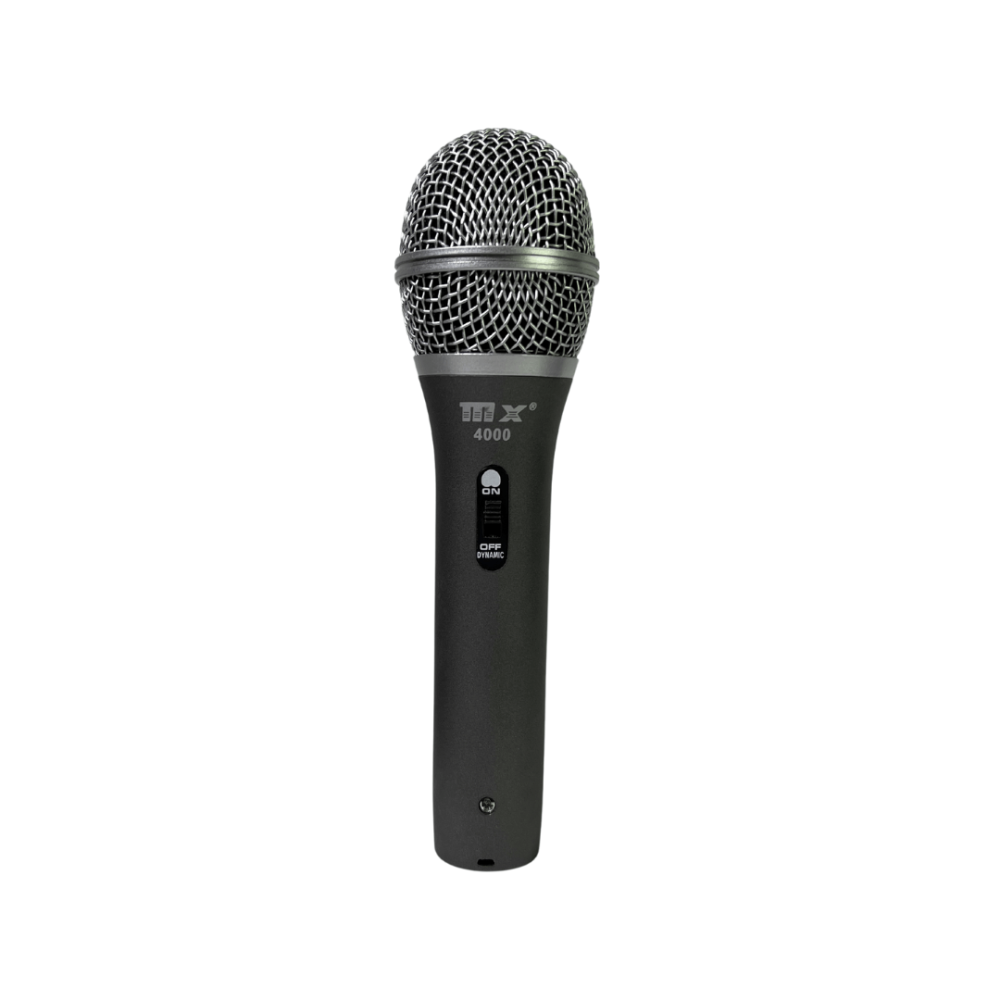
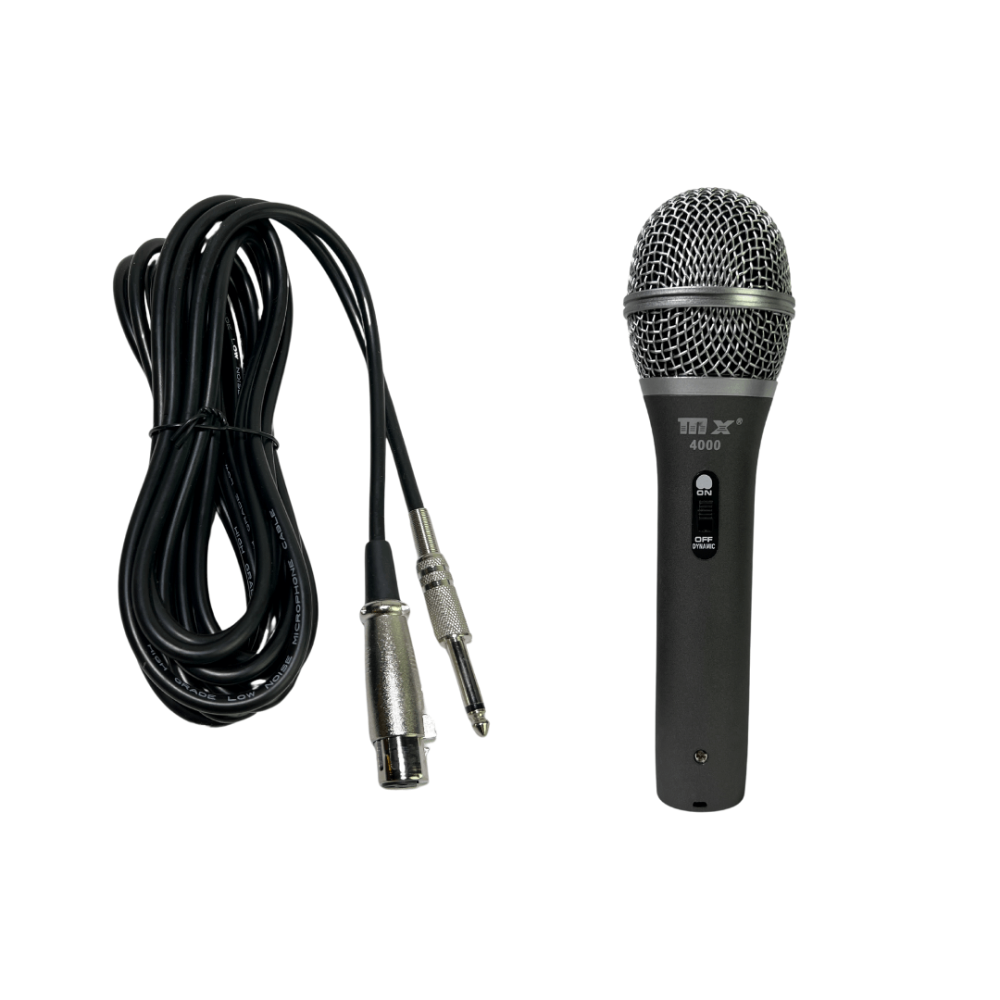
Dynamic Microphone: It is a device that converts sound energy into electrical energy. Its working principle is based on electromagnetic induction, where the microphone membrane vibrates in response to sound waves, which moves a voice coil within a magnetic field, thus generating an electric current.
Operating Instructions Analysis and Precautions
- Howling Phenomenon: It occurs when the microphone and speaker repeatedly amplify the sound, resulting in a loud and annoying sound. Solution: Maintain an appropriate distance between the microphone and speaker and reduce the volume.
- Sensitivity: Dynamic microphones are sensitive to shocks and changes in temperature and humidity. They should be handled with care and stored in a suitable place.
- Proximity Effect: It refers to an increase in bass frequencies when the microphone is close to the sound source. It can be used creatively to obtain a rich bass sound, but care must be taken to avoid interference.
Dynamic Microphone Description
The dynamic microphone is the perfect choice for musicians, broadcasters, and podcasters looking for a natural, warm, and interference-resistant sound. Suitable for mosque and school use, this microphone features a durable and sturdy construction, making it ideal for use in challenging environments. It also provides excellent isolation from external noise, ensuring high-quality recordings.
Technical Specifications
- Type: Dynamic
- Polar Pattern: Usually cardioid, but may vary depending on the model.
- Frequency Response: Determines the frequency range that the microphone can accurately pick up.
- Sensitivity: Measures how sensitive the microphone is to the audio signal.
- Impedance: Determines the amount of current the microphone can handle.
- Maximum Sound Pressure Level: Determines the highest sound level the microphone can handle without distortion.
Dynamic Microphone Features
- Durability: Resistant to shocks and environmental changes.
- Simple Design: Does not require an external power source.
- Interference Resistance: Less susceptible to feedback and distortion.
- Natural and Warm Sound: Captures sound naturally and accurately.
- Reliability: Works reliably in a variety of conditions.
Tips for Using a Dynamic Microphone
- Correct Position: Point the microphone directly at the sound source for best results.
- Optimal Distance: Maintain a proper distance between the microphone and your mouth to avoid the effect of excessive proximity.
- Windshield: Use a windshield to reduce wind noise.
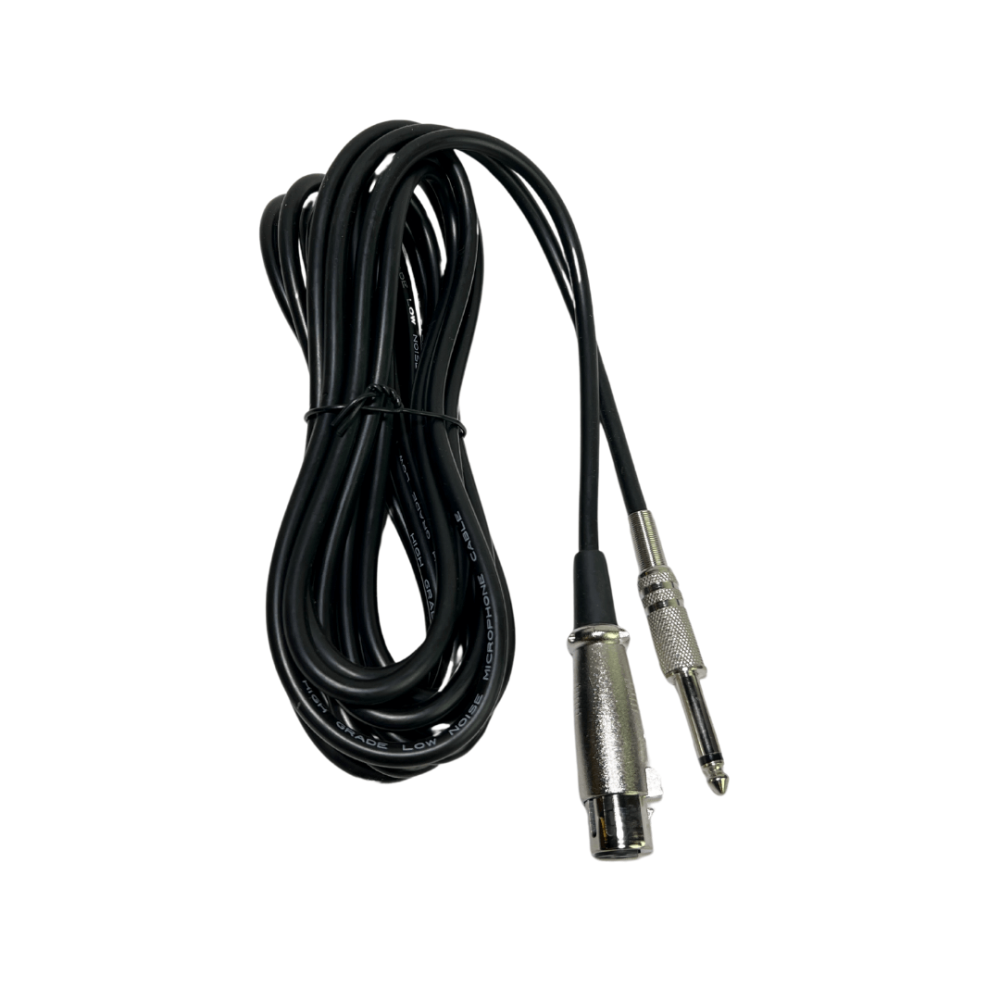
- Proper Connection: Make sure the microphone is properly connected to the mixer or audio device.
- Maintenance: Keep the microphone clean to avoid dirt buildup.
Why Choose a Dynamic Microphone?
- Musicians: Ideal for recording acoustic instruments, such as guitar, bass, and drums.
- Podcasters: Provides clear, crisp sound for vocal recordings.
- Broadcasters: Provides reliable performance in noisy environments.
- Mosques and Schools: Easy to use and requires no complicated setup.
A dynamic microphone is an essential tool for anyone looking to record high-quality audio. Thanks to its durability and simplicity, it is the ideal choice for musicians, podcasters, and broadcasters.